Treatments & Services
Discover unique consultation and diagnostic skills you will not find elsewhere.
Every time, both patients and parents comment that they have "never been to or witnessed such a thorough examination by any specialist consultant to such a level of accuracy and knowledge."
Every time, both patients and parents comment that they have "never been to or witnessed such a thorough examination by any specialist consultant to such a level of accuracy and knowledge."
1.Biomechanical Assessment
1.Biomechanical Assessment
"More than a consultation, it's an education to your body and health."
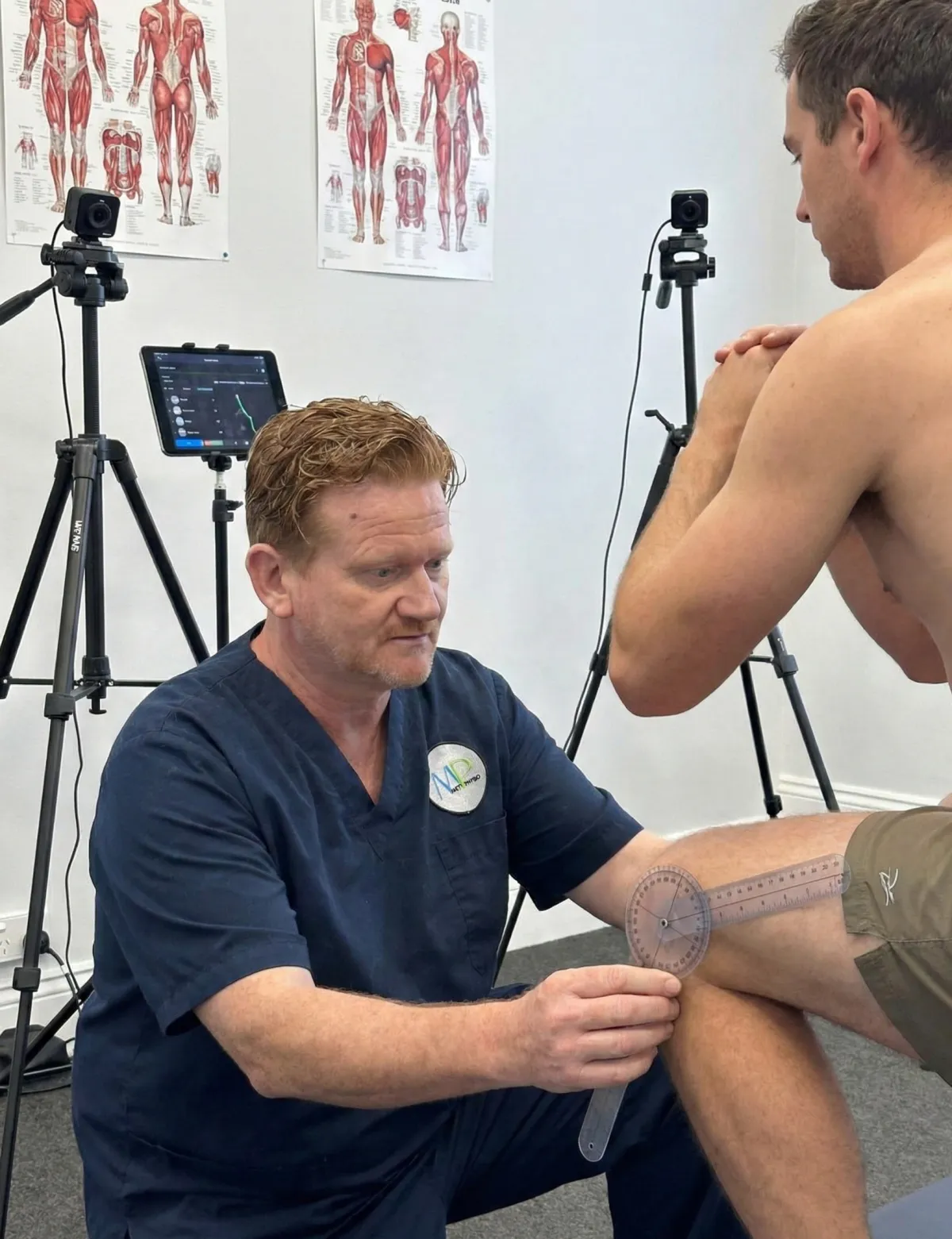
Hopefully, the explanation below will help illustrate the importance of how we clinically diagnose all our patients using biomechanical assessments. In the clinic, we use models, posters, diagrams, and photography to capture your body position. We even welcome you to bring a partner or chaperone so they can see everything and help confirm the findings.
What is Biomechanics?
What is Biomechanics?
Biomechanics is the study of the movement of bones, joints, nerves and muscles and how they affect your walking, running, and standing posture.
Biomechanics is the study of the movement of bones, joints, nerves and muscles and how they affect your walking, running, and standing posture.
Have you ever noticed:
The heels on your shoes wear unevenly?
One trouser leg always looks slightly longer than the other?
Recurrent pain that no one else has been able to successfully diagnose or treat?
One shoulder is higher than the other?
If so, there is a possibility you have a biomechanical issue.
The Analogies: Why We Look Deeper
As a Consultant Physiotherapist with a background in mechanics and teaching, I use these analogies to explain why we need to find the root cause:
The Car Tyres: We understand that car tyres wear down. Sometimes they wear on the outer or inner edges more than they should. The driver feels they just need new tyres; however, the underlying issue is that the suspension needs aligning to prevent this from happening again.
The Plaster on the Wall: The plaster on a wall keeps cracking. A plasterer suggests the house needs underpinning, but the homeowner insists on just patching the plaster. Six months later, the cracks return because the house is subsiding.
These stories represent nearly 90% of the underlying issues that present in our clinic. Without this level of Initial Assessment, patients often do not find long-term success with their treatment.
What We Check: Our assessment focuses from the ground up: looking at shoe pattern wear indicators, foot position, leg length discrepancy, and pelvic girdle structure, through to how this impacts the spinal column, shoulder, arm, and neck position.
2.Continued Treatment & The "Toolbox"
2.Continued Treatment & The "Toolbox"
We do not charge extra for specific modalities in the clinic. Our fees are set for the time, not the tool. We treat our facilities and modalities as a toolbox to tailor-make your treatment.
Your treatment could include:
Infrared & Ultrasound
Soft Tissue Massage
Joint Alignment & Adjustments
Laser & Electro-Magnetic Wave Therapy
Impact Therapy
Acupuncture (Chinese & Japanese Techniques)
3.Injection Therapies
3.Injection Therapies
Hyaluronic Acid (HA) Injection
For arthritis of joints. A safer alternative to cortisone. HA is used to relubricate the knee joint and re-educate the joint to produce its own natural HA. We use a concentrated dose of Ostend Plus. Unlike cortisone, HA does not come with the clinical issues of damaging the joints or surrounding soft tissues.
Autologous Blood Injections
Ideally suited for chronic Tennis Elbow. As a Harley Street qualified phlebotomist, a sample of blood (1-6ml) is extracted and injected into the site of soft tissue damage to stimulate repair. This is a very affordable treatment option.
4.Specialist Treatments
4.Specialist Treatments
Total Body Athletic Treatment (2 Hours) The Highest Gold Standard - Exclusive to Matt Physio. Matt brings together 24 years of experience to develop a unique package not available anywhere else. This includes full biomechanical testing, full-body deep tissue manipulation and massage, and mobilization of all functional joints. Excellent for everyone from those with a hectic work life to elite athletes.
Other Modalities Available:
Sports & Deep Tissue Massage: Targeted relief for muscular tightness.
Spinal & Joint Mobilisation: Adjustments to improve range of movement.
Electrotherapy: For pain gating, neurological pathway rehabilitation, and bone growth stimulation.
Cold Laser Therapy: For soft tissue treatment.
Testimonial
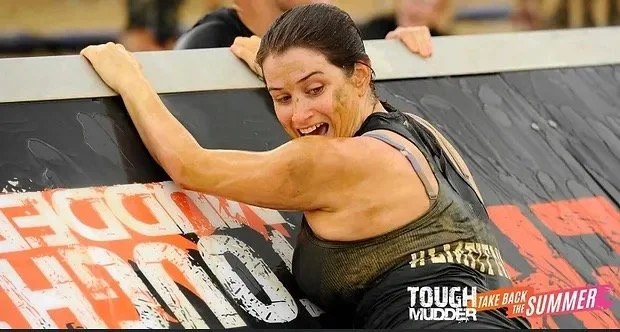
When I went for my Initial Assessment with Matt, being a female seeing a male concerning my pelvis is what made me feel nervous, however Matt put me at ease right from the outset. Also my condition of hip dysplasia was extremely complicated considering the operations over the years. I was amazed how Matt analysed my biomechanics and pelvic alignment. He was so accurate it was exactly what my MRI's showed. Matt referred me for orthotics (insoles for my shoes). The outcome was brill. I now live a completely active life having climbed Snowdon, run couch to 5km and regularly train HIIT classes. Making the decision to see Matt changed the quality of my life due to his assessment. You owe it to yourself!
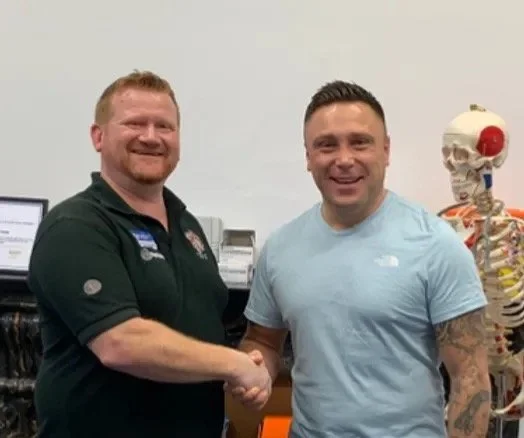
The automation capabilities are incredible. We2018 We had the pleasure of treating Gerwyn Price in clinic during his first major win at the Grand Slam here in Wolverhampton. Returning to defend his title 2019 & 2020, World Grandprix Champion 2020, World Cup 2020 in the Premier League and World Series, until his natural talent resulted with him being crowned World Champion 2020/21've saved countless hours and improved our customer engagement significantly.
I have suffered with chronic back pain for a number of years. Matt was recommended by a friend. I have seen various practitioners over the years but felt Matt had a deep understanding of my issues. With Matt's help I have been able to improve my daily life and can recommend him highly.





Visit our Location
Suite 1, 132 Compton Road, Wolverhampton WV3 9QB
Give us a Call
+44-7542 932025
Send us a Message
About Us
My journey from professional tradesman to physiotherapist gives me a unique diagnostic edge. With a sports injury background and over 60 qualifications, I combine mechanical precision with clinical expertise you won't find elsewhere.
Opening Hours
Monday - 8am-11pm
Tuesday - 8am-11pm
Wednesday - 8am-11pm
Thursday - 8am-11pm
Friday - 8am-11pm
Saturday - 9am-6pm
Sunday - 10am-4pm